

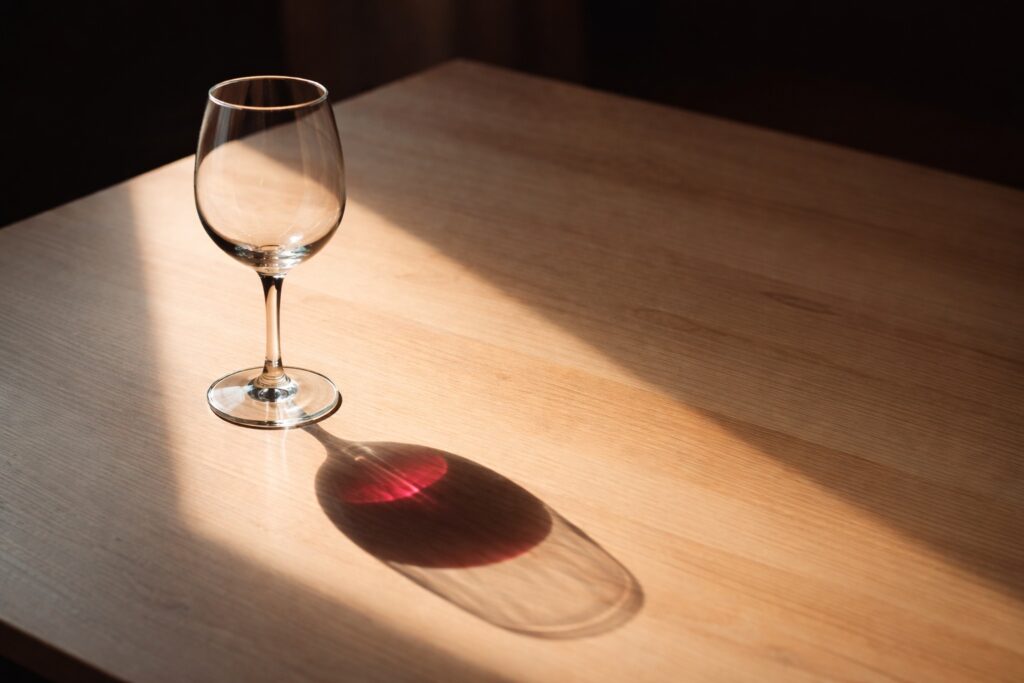
January tends to arrive with a lot of noise. Everywhere you look, there are messages about starting over, fixing yourself, committing to new habits, and doing everything “better” this year. For many people, that includes taking a break from alcohol. Dry January has become a familiar part of this seasonal reset, but it’s often framed in a way that feels rigid, performative, or moralized. It can sound like a challenge you either succeed at or fail, or something that only makes sense if you believe your drinking is already a problem.
In reality, ‘Dry January’ doesn’t have to be any of that. At its best, it can be something much simpler and much kinder. It can be a pause. A moment to slow down, notice patterns, and reconnect with what your body and mind are actually asking for right now.
It shouldn’t be about labeling yourself, quitting forever, or doing anything perfectly. It’s not about willpower or proving a point. It’s about curiosity, and curiosity tends to be far more sustainable than self-criticism.
Alcohol Is Often About More Than Alcohol
For many people, reaching for a drink isn’t really about the drink itself. It’s about what the drink represents or provides in that moment. It might be a way to unwind after a long day, a clear transition between work and home, or a way to feel more relaxed and at ease in social settings. Sometimes it’s about permission. Permission to rest, to slow down, to stop being productive for a while. And often, it’s simply a familiar ritual that signals the end of the day.
Alcohol is deeply woven into everyday routines and social norms: a glass of wine after work, drinks with friends, a cocktail to mark the weekend. These habits are common, normalized, and often automatic. Over time, they can become so familiar that we stop noticing that we do them altogether.
Orange County Health Psychologists’ very own Dr. George Mendoza, who specializes in substance abuse and recovery, states that “for some people, alcohol attempts to fill a spiritual or existential void when connection to something bigger is missing. There is real pain in relational hunger, or in absence of meaning and purpose in life that no amount of substance can fill. Some call this a God sized hole. Others call it existential loneliness, or a connection deficit. This is not a moral failing but a reminder that we are social animals who seek human wholeness through community, health, and purpose.”
Dry January offers a gentle opportunity to pause and ask a simple question: What is this drink doing for me right now? Not in a critical or judgmental way, but in an honest one. That question alone can open up conversations with yourself that could provide useful insight, regardless of where it leads.
Dry January as an Experiment, Not a Rule
Rather than seeing Dry January as a strict commitment or a test of discipline, it can be helpful to think of it as an experiment. Experiments don’t have pass or fail outcomes. They’re about observing what happens when something changes.
You might notice how your sleep feels after a few weeks without alcohol, or whether your energy levels shift during the day. You might pay attention to how your body feels in the mornings or what comes up emotionally when familiar routines change.
Sometimes, people realize they miss the ritual more than the alcohol itself.
Some observations will feel neutral, some surprising, and some uncomfortable. All of them are simply information.
Approaching Dry January this way removes a lot of pressure. You’re not trying to prove anything to yourself or anyone else. You’re just gathering data about your own experience, which can be empowering. Awareness gives you more choice, and choice is often what people are really looking for when they talk about changing habits.
Replacing Rituals, Not Removing Fun
One common fear around cutting back on alcohol is that it means giving something up: enjoyment, connection, or relaxation. But often, it isn’t the alcohol that matters most. It’s the ritual of having it in the settings we enjoy. The pause after work. The signal that the day is over. The shared moment with others.
Dry January can be an opportunity to experiment with new rituals that offer similar benefits. That might look like a different kind of evening routine, a non-alcoholic drink you genuinely enjoy, or a new way to unwind that actually feels restorative instead of numbing. The goal is not deprivation, but alignment with what helps you feel grounded and well.
Support Isn’t Only for “Big Problems”
Along this journey you may discover information about yourself that is more than you know what to do with. You don’t need to have a substance use disorder to benefit from talking to a counselor about your patterns with alcohol. Substance use counselors work with people across a wide range of experiences, including those who simply want to better understand their habits, explore healthier coping strategies, feel more intentional in their choices, or reduce alcohol use without shame or pressure.
Support doesn’t have to be about diagnosis or labels. It can be a space for reflection, curiosity, and self-understanding. It can be someone walking with you as you discover what these habits mean and how you can replace them.
Whether you participate in Dry January fully, partially, or not at all, the spirit behind it can still be meaningful– slowing down, paying attention, asking gentle questions instead of making harsh judgments.
Sometimes, that shift alone is where the most sustainable change begins.
We have many experienced providers here at Orange County Health Psychologists who are dedicated to helping you navigate your unique challenges with compassion and expertise. Among them are George Mendoza, PsyD and Brian Harpst, LMFT who work with those living with or recovering from a substance abuse disorder. Contact us to schedule a consultation or appointment with one of our specialists.
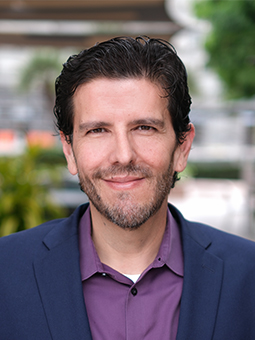
Dr. George Mendoza, PsyD
Schedule an appointment
949.508.0350
Mendoza@OCHealthPsych.com
Registered Psychological Associate #PSB 94029296
Supervisor: Allison Bicksler, PsyD – CA License #PSY
25800

Brian Harpst, LMFT
Schedule an appointment
949.491.1107
Brian@OCHealthpsych.com
CA License LMFT139206