

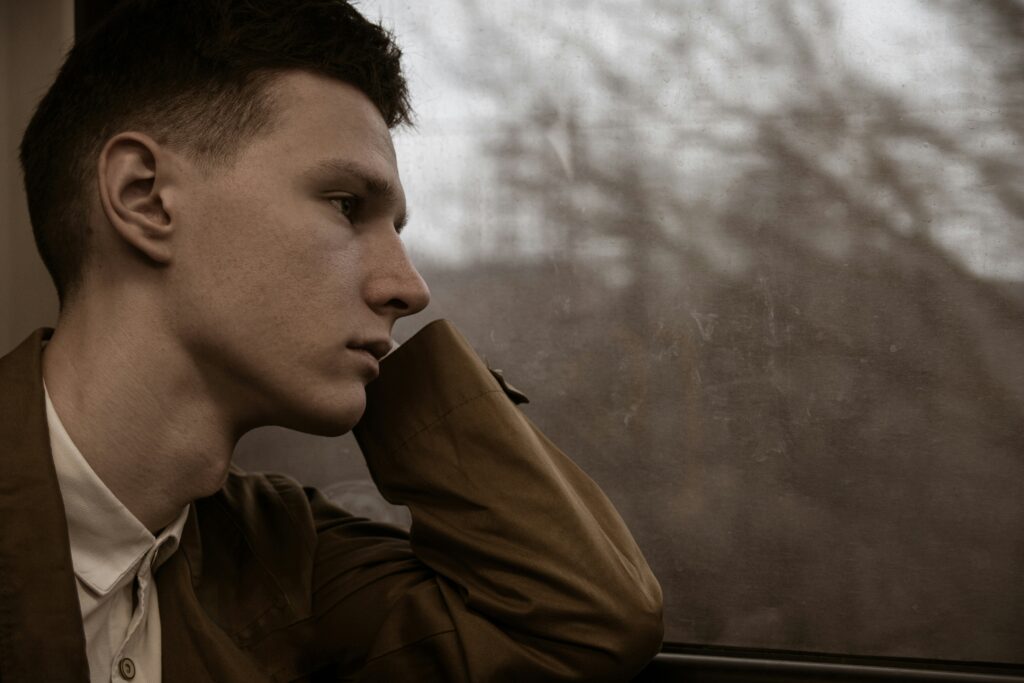
The “male loneliness epidemic” has become a popular term online, but the emotion beneath it is deeply real. Across all ages, many a men are quietly moving through life without meaningful friendships, emotional outlets, or a strong sense of belonging. According to the American Psychological Association, over half of U.S. adults (54%) say they feel isolated, and half report lacking companionship — evidence that loneliness has become a cultural condition, not a personal failure. Men, however, still tend to be less comfortable acknowledging those feelings, much less taking the steps necessary to create and maintain close, meaningful longterm friendships. It’s not that they’re uninterested in closeness, in fact, most crave connections deeply. Rather, many men were never taught how to build and maintain their emotional needs in a healthy, consistent way.
Part of this stems from upbringing. For decades, boys were shaped by messages like “toughen up,” “don’t be soft,” or “handle it on your own.” They grew into men who learned that vulnerability wasn’t a skill, it was something to suppress. These lessons don’t suddenly disappear in adulthood. Instead, they turn emotional needs into something that feels unsafe or embarrassing to communicate. They reshape into avoidance, silence, and emotional self-containment.
The world around men has also changed rapidly. Women today tend to have stronger emotional networks and more social support. They have communities, open conversations, and friendships built on emotional exchange — tools many men were never encouraged to develop. As women focused more time and energy on their own careers, hobbies, and emotional support systems, men were often left relying on patterns that no longer fit the world they’re living in, widening the disconnect.
The Hidden Weight Men Carry
One of the heaviest parts of male loneliness is the silence around it. Many men want deeper connection but genuinely don’t believe they are allowed to ask for it. Admitting loneliness is risky and there’s worry about being perceived as needy, weak, or overly emotional. When vulnerability feels like a liability, loneliness shifts from a momentary feeling to a way of living.
This silence creates a cycle.
Digital spaces often become a temporary refuge. Discord servers, online communities, and reddit chats can offer humor, distraction, and familiarity. But they rarely provide the deeper nourishment that comes from real emotional connection. They mimic companionship but don’t meet the underlying need to be known, supported, and emotionally held by others.
Even withdrawing into hobbies — scrolling, gaming, working longer hours — is often misunderstood. These aren’t signs of disinterest. They’re signals of unmet emotional needs and a lack of safe places to express them.
What Men Need Now
Male loneliness isn’t a character flaw. It’s a cultural outcome. Men don’t become lonely because they fail; they become lonely because the environments that shaped them didn’t teach emotional communication, connection, or community-building.
That’s why healing often begins with the people around them. Partners, families, and friends can make a profound difference simply by creating space, asking gentle questions, initiating honest conversations, or offering warmth without pressure. When someone signals safety, men often open up more than anyone expects.
Support doesn’t mean fixing. It means validating their experiences rather than minimizing them. It means recognizing that withdrawal isn’t laziness but a sign of emotional overload. It means understanding that men may want deeper relationships but feel unprepared or afraid of rejection.
Therapy can also be transformative. Many men describe it as the first time they were encouraged to speak openly without judgment. It’s often the first environment where they learn emotional language, understand their patterns, and realize that seeking connection is not a weakness, but part of being human.
Male loneliness is not an unsolvable problem. It’s a cultural challenge we can address together. When men are met with compassion instead of criticism, patience instead of pressure, and acceptance instead of shame, they begin to step toward connection more easily. And they deserve that — meaningful relationships, emotional support, and the same sense of community we encourage in everyone else.
For more information on this subject, including practical advice on men’s mental health, relationships, and personal growth, we recommend our December Book of the Month, Notes On Being a Man by Scott Galloway.
We invite you to connect with George Mendoza, PsyD or any of our other experienced licensed providers who are dedicated to helping you navigate your unique challenges with compassion and expertise. Contact us to schedule a consultation or appointment with one of our specialists.
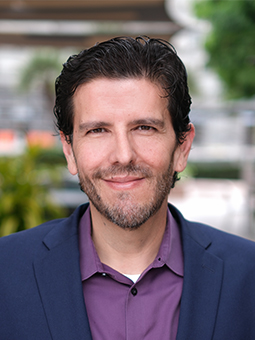
About Dr. George Mendoza, LCSW
Schedule an appointment
949.508.0350
Mendoza@OCHealthPsych.com
Registered Psychological Associate #PSB 94029296
Supervisor: Allison Bicksler, PsyD – CA License #PSY 25800